Essential steps to take in the event of an intrusion into your information system
Cyberattacks are becoming increasingly sophisticated and frequent, so knowing how to respond effectively to an intrusion into your information system has become absolutely essential. Although prevention remains the most effective weapon against cyber threats, it is essential to have a clear action plan in place in case an intrusion occurs.
This article,which supplements the recommendations issued by CERT-FR (the French government's computer emergency response team),guidesyouthrough the essential steps to follow to limit damage and secure your data.
Detecting and confirming the intrusion: The first few minutes are crucial
The first step is to detect the intrusion. It is essential to look for warning signs, such as:
- Unusual network activity (high traffic volumes or suspicious connections).
- Files or applications that appear or disappear inexplicably.
- Error messages, slow systems, or abnormal behavior on your workstations.
Use your monitoring and analysis tools, such as EDR (Endpoint Detection and Response) solutions or intrusion detection systems (IDS/IPS), to confirm the presence of an attack.
Key reflex: Immediately isolate the affected systems.
As soon as an anomaly is confirmed, isolate compromised equipment to prevent the threat from spreading. This includes disconnecting from the network, blocking ports, or shutting down VPN connections if necessary.
Contain the incident: Limit the spread
Once the intrusion has been confirmed, your priority should be to contain the attack in order to limit its impact:
- Identify the source of the intrusion: Locate the point of entry (phishing email, unpatched vulnerability, etc.).
- Quarantine infected systems: Prevent the attack from spreading to the rest of your infrastructure.
- Revoke compromised access: Disable suspicious user accounts and change critical passwords.
- Preserve evidence: Keep event logs and any data related to the attack. This information will be essential for post-incident analysis and possible legal action.
Inform stakeholders and activate the Response Plan
Intrusions do not only concern the IT department. Rapid and effective communication with the various stakeholders is essential:
- Mobilize your incident response team (or a specialized service provider such as a SOC – Security Operations Center).
- Alert management for a quick decision.
- Notify the relevant authorities: If you are subject to NIS 2 or GDPR guidelines, report the incident to ANSSI or CNIL within the required time frame (usually 72 hours).
Internally: Involve employees
Raise awareness among your employees not to interact with suspicious emails or potentially infected files, especially in the context of an ongoing attack.
Eradicate the threat and restore systems
Once the incident has been contained, it is time to remove the threat and restore your systems to their operational state:
- Analyze and clean infected systems: Remove malware, fix exploited vulnerabilities, and apply the necessary patches.
- Perform a secure restore: Use reliable backups to restore lost or corrupted data. Ensure that these backups do not contain any traces of the attack.
- Enhance security: Modify network configurations, update your security solutions, and implement enhanced controls (multi-factor authentication, network segmentation, etc.).
Analyze the incident and prevent future intrusions
Post-incident analysis is a step that is often overlooked, but crucial to preventing the attack from happening again:
- Determine the source of the intrusion: Was it a technical flaw or human error (phishing, weak password)?
- Update your processes: If an organizational flaw enabled the attack, adapt your security policies.
- Train your teams: Raise awareness among your employees about the latest threats and best practices in cybersecurity.
Prepare your organization for the future
Finally, use this incident as an opportunity to strengthen your overall cybersecurity posture:
- Implement an incident response plan if you haven't already done so. This document should include everyone's roles and responsibilities, as well as the steps to follow in the event of an attack.
- Invest in advanced tools such as EDR, SOC, or vulnerability management solutions. If you don't have the resources in-house, Logiqe can support you with services tailored to your needs.
- Conduct regular cybersecurity audits to detect vulnerabilities before they are exploited.
In conclusion: Responsiveness and prevention are your best allies.
When faced with an intrusion, responsiveness and a clear methodology are your best weapons for limiting damage. By adopting the right reflexes at the first signs of an anomaly and rigorously analyzing the incident, you can not only protect your systems, but also strengthen your defenses for the future.
To learn more, discover our advanced cybersecurity solutions tailored to businesses: Logiqe – Advanced Cybersecurity Solutions 2025. We support you in securing your infrastructure, preventing cyberattacks, and responding effectively in the event of an incident.
Logiqe agencies
LOGIQE relies on a consistent network of local agencies to guarantee excellent service and optimal responsiveness to its clients throughout France and Monaco.
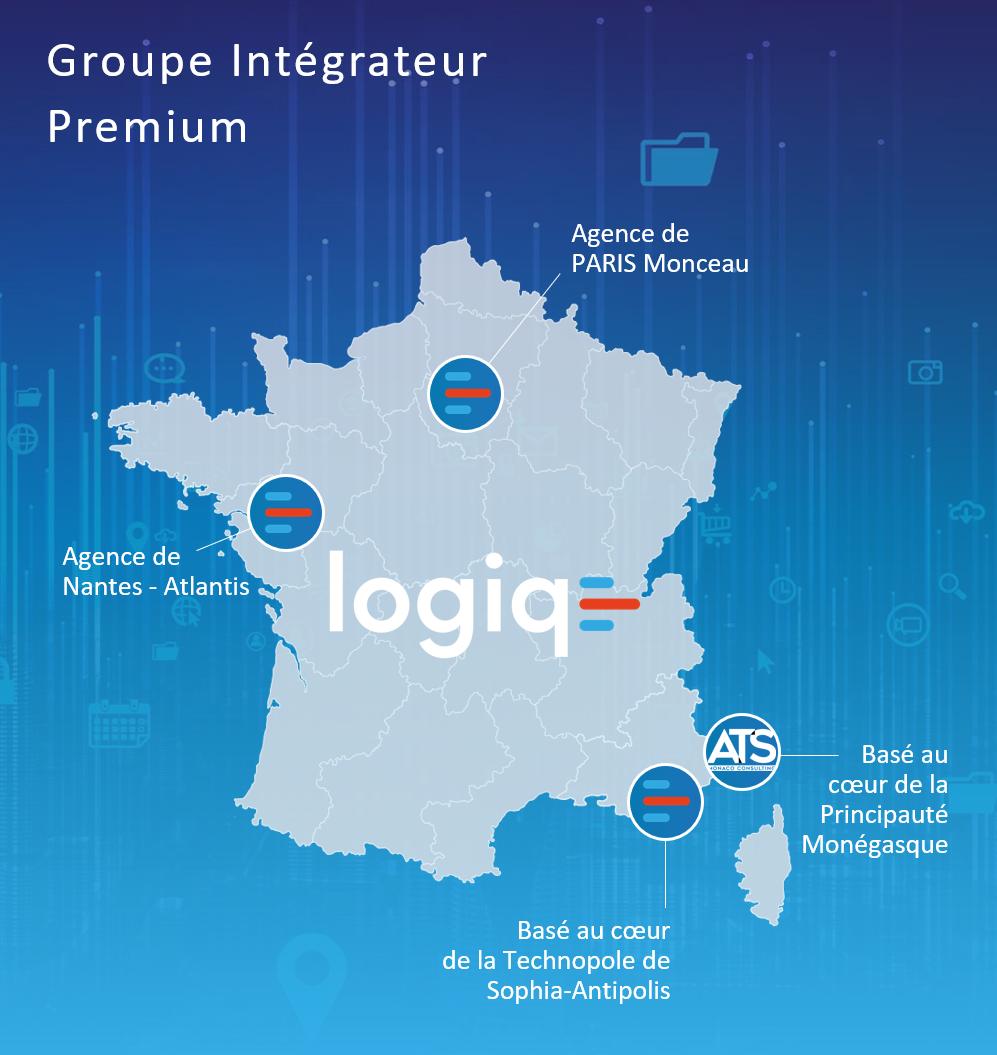
Each LOGIQE agency is equipped to deploy advanced business continuity and cybersecurity solutions, with centralized expertise tailored to regional specificities.
- Paris – Monceau Agency: Ideally located to meet the needs of large companies in the capital, this agency focuses on optimizing critical infrastructure using technologies such as VMware and Fortinet.
- Sophia-Antipolis Agency: Located in the heart of the European technology hub, it supports technology companies with advanced virtualization solutions and 24/7 SOC expertise.
- Nantes – Atlantis Agency: Specializing in the digital transformation of SMEs and mid-market companies in western France, this agency stands out for its SD-WAN and Wi-Fi 6E network integration projects.
- Monaco Agency: In the Principality, LOGIQE offers high-end services ranging from cloud infrastructure management to securing critical environments for large international companies.
Thanks to this strategic network, LOGIQE ensures the proximity essential for providing tailored and rapid support.
Why choose Logiqe?
With a consistent presence throughout the country and recognized expertise, LOGIQE is a strategic partner for all companies seeking to protect their critical infrastructure and ensure their resilience.
Discover our references and detailed use cases at LOGIQE.fr. Contact one of our agencies to discuss your projects.
FAQ: Understanding the challenges of a cyberattack and responding to computer intrusions with Logiqe
This FAQ answers the most frequently asked questions about cyber intrusions, while highlighting the solutions and expertise offered by Logiqe, a leader in customized cybersecurity. Discover how to prevent, detect, and respond effectively to threats by exploring the additional services and articles available on our website.
1. What is computer intrusion?
A computer intrusion is unauthorized access to a system, network, or database with the intent to steal, alter, or destroy information. This can include cyberattacks, viruses, or phishing attempts.
To learn more about securing your infrastructure and the right solutions for you, visit our page dedicated to customized cybersecurity.
2. What are the four main forms of piracy?
Here are the most common forms of computer hacking:
- Phishing: Sending fraudulent emails to steal sensitive information.
- Malware: Malicious software such as ransomware or Trojan horses.
- Brute force attacks: Guessing passwords by trying numerous combinations.
- DDoS attacks: Flooding a server with requests to make it inaccessible.
To protect your business against these attacks, discover our advanced security solutions on our cybersecurity landing page.
3. What are system intrusion attacks?
System intrusion attacks exploit technical or human vulnerabilities to gain unauthorized access to computer systems. This may involve attacks targeting servers, networks, or applications.
Logiqe offers customized IT solutions to secure your infrastructure and prevent intrusions. Learn more about our services by visiting our customized IT solutions page.
4. What are the risks associated with the information system?
Major risks to information systems include:
- Theft of sensitive data: Commercial, financial, or personal.
- Business interruption: An attack can block your critical services.
- Financial loss: Through ransomware or attacks targeting bank accounts.
- Damage to reputation: In the event of a public data leak.
To strengthen the continuity of your activities in the event of a cyberattack, discover our PRA/PCA (Disaster Recovery and Business Continuity Plan) solutions on our dedicated page.
5. What is the most commonly used technique for attacking a computer system?
Phishing remains the most common method. It involves sending fraudulent emails or messages that encourage users to share their personal information or download malicious files.
To prevent this type of attack, remember to raise awareness among your teams and implement appropriate tools. Contact Logiqe for advanced cybersecurity solutions via our contact page.
6. What is the most common type of software piracy?
The most common form of software piracy involves using unofficial or cracked versions of software. These pirated programs often come bundled with malware that compromises system and data security.
For secure and optimized software solutions, trust Logiqe, a certified Microsoft Gold Partner. Microsoft Gold Partner. Discover our services here.
7. How does computer hacking work?
Computer hacking generally follows these steps:
- Target exploration: Identification of human or technical vulnerabilities.
- Intrusion: Exploiting a vulnerability to gain access to the system.
- Privilege escalation: Taking control of key resources.
- Exploitation or sabotage: Data theft, ransomware, or system degradation.
To avoid these scenarios, conduct a cybersecurity audit. Find out how Logiqe can help you on our cybersecurity audit page.
8. What will happen if I use pirated software?
Using pirated software exposes you to major risks:
- Security: Cracked software often contains malware.
- Legality: You are liable to financial and criminal penalties.
- Reliability: This software does not receive regular updates, increasing its vulnerability.
Choose secure, licensed solutions, such as those offered by Logiqe, to ensure the compliance and reliability of your digital tools.
9. Which operating system is the most secure?
The security level of an operating system depends on its use and configuration:
- Linux: Ideal for professional environments thanks to its robustness.
- macOS: Secure thanks to its closed ecosystem.
- Windows: Widely used, but a prime target for attacks. With tailored solutions such as Microsoft Defender or advanced services offered by Logiqe, it can be effectively secured.
To learn more about securing your operating systems, explore our IT services here.
At Logiqe, we are highly trained to protect your systems and data in an ever-changing digital environment. Whether it's preventing an attack, responding to an intrusion, or securing your infrastructure, our experts are here to provide you with customized solutions.
To learn more, explore our pages dedicated to cybersecurity, business continuity, and our IT solutions. You can also contact us directly via our contact form.